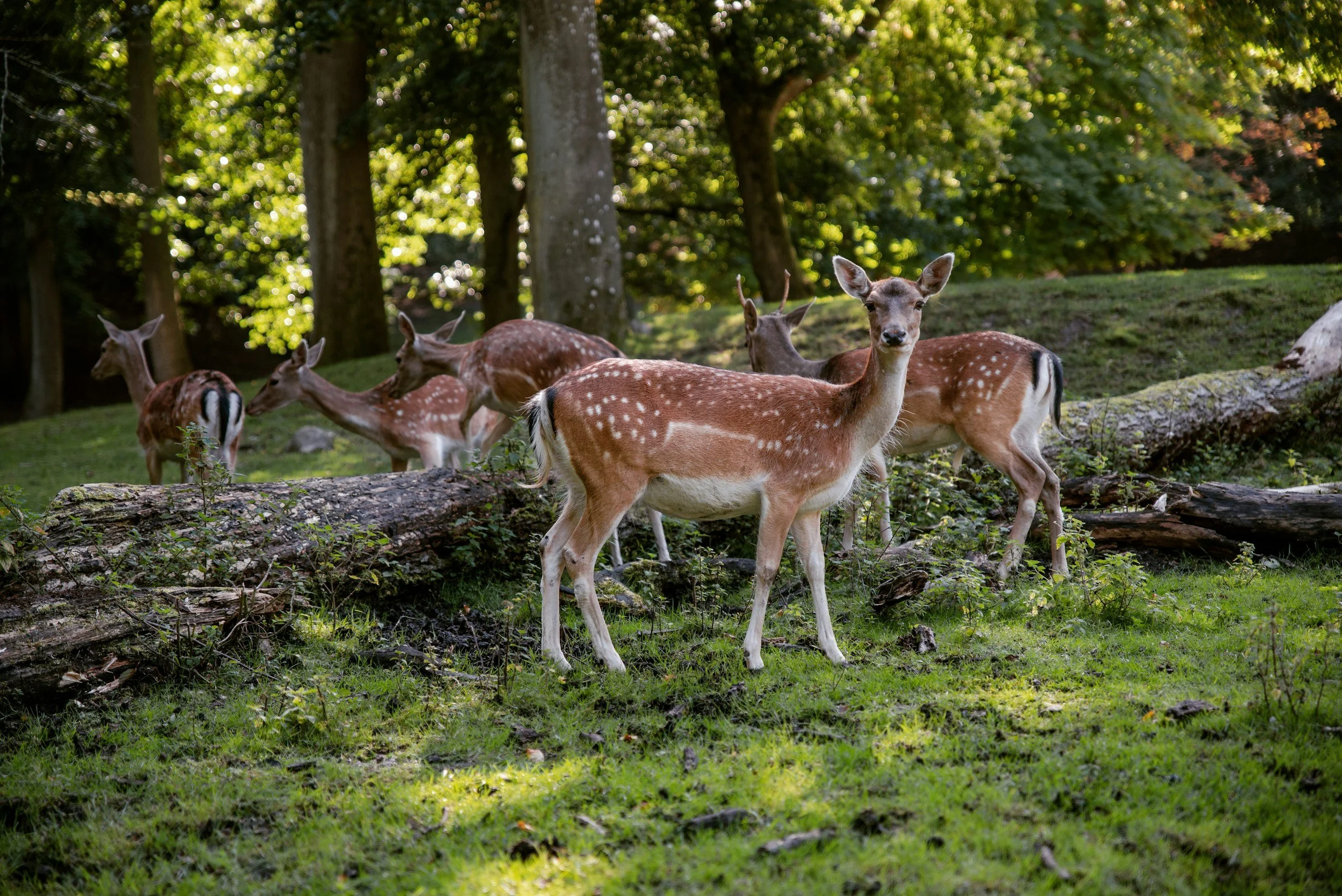
The Impacts of Deer Overpopulation on Long Island
Long Island’s growing deer population has become more than just a wildlife issue—it affects our communities. With few natural predators, deer numbers continue to rise, increasing vehicle accidents, property and crop damage, tick-related health concerns, and damage to local ecosystems.
Managing the deer population is important for protecting both our communities and the health of Long Island’s wildlife.
Public Health Risks: Tick-Borne Diseases
Deer play an important role in supporting black-legged tick populations, which can spread Lyme disease, babesiosis, anaplasmosis, and Powassan virus.
Long Island has high rates of tick-borne disease, particularly in Nassau and Suffolk Counties. Larger deer populations can support more ticks, increasing the potential for human exposure.
Managing deer populations can be one part of a broader strategy to reduce tick populations and protect public health.
Road Safety: Deer-Vehicle Collisions
Deer entering roadways are a serious safety concern, especially during the fall and winter months.
Thousands of deer-related crashes occur across New York each year, resulting in injuries, vehicle damage, and risks to both drivers and wildlife. Long Island’s busy roads make these encounters especially dangerous.
Managing deer populations can help reduce collisions and improve roadway safety.
Property and Landscape Damage
Overabundant deer can cause significant damage to residential properties by feeding on gardens, shrubs, flowers, and young trees.
As deer populations grow, homeowners may face repeated landscaping damage and increased nuisance issues.
Agricultural and Economic Losses
Deer overpopulation can cause significant losses for Long Island farmers by damaging crops, orchards, vineyards, and fields.
Farmers may also face added costs for fencing and other deterrents, putting additional pressure on local agriculture.
Our free suburban deer management program provides property owners with a targeted approach to managing local deer populations.
Using discreet archery hunting and focusing on antlerless deer, the program is designed to help reduce deer numbers over time with minimal disruption to your property.
Help protect your property and community. Contact us today for a consultation.