Why?
The Impacts of Deer Overpopulation on Long Island
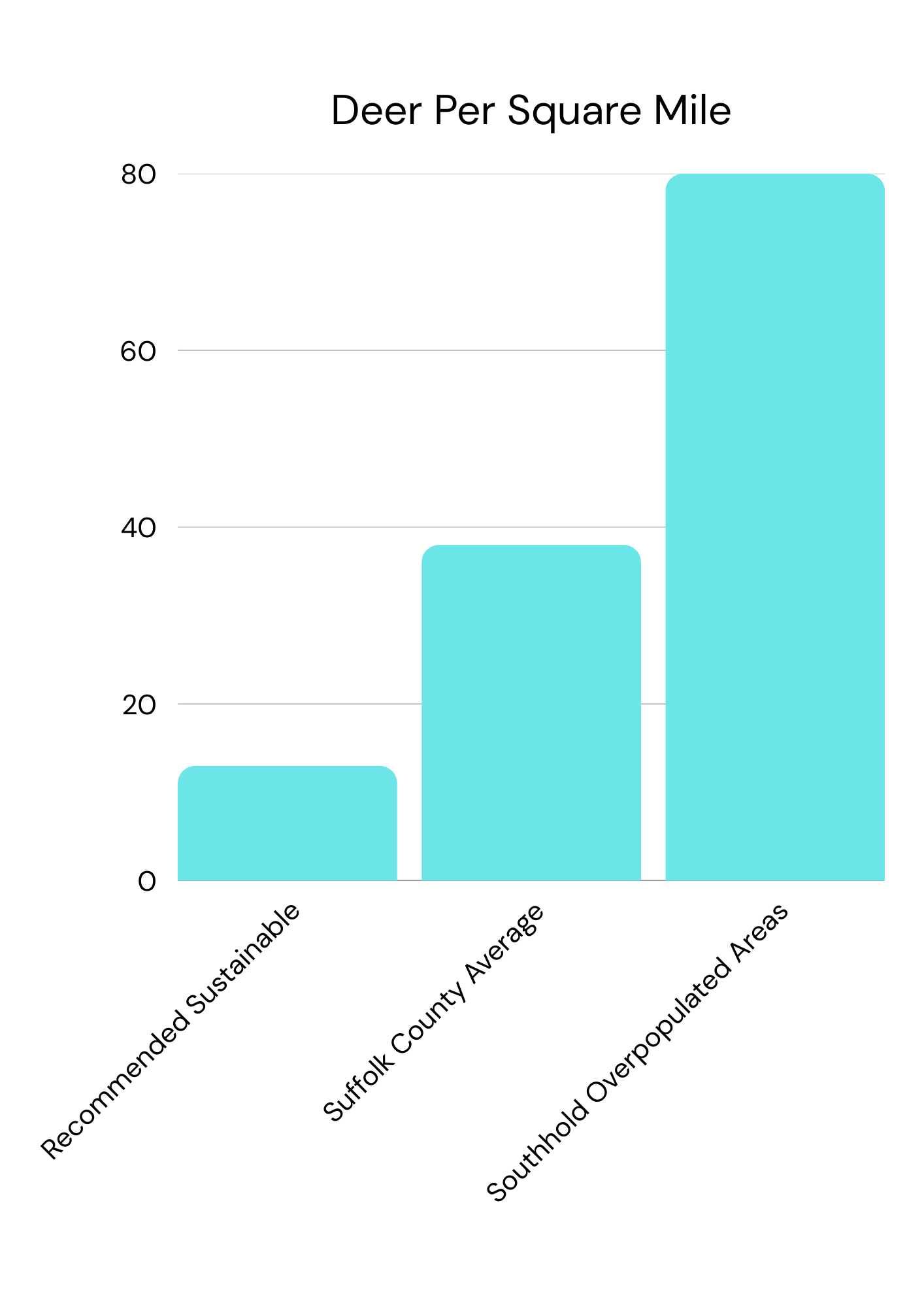
Long Island, particularly Nassau and Suffolk Counties, is facing a serious crisis due to white-tailed deer overpopulation. With an estimated 25,000 to 30,000 deer across the island and densities in some areas (like Southold) reaching 6-10 times what the ecosystem can sustainably support (ecologists recommend 10-15 deer per square mile), the consequences are far-reaching. Without natural predators, the population continues to grow unchecked, affecting public health, safety, property, agriculture, and the environment.
Public Health Risks: Tick-Borne Diseases
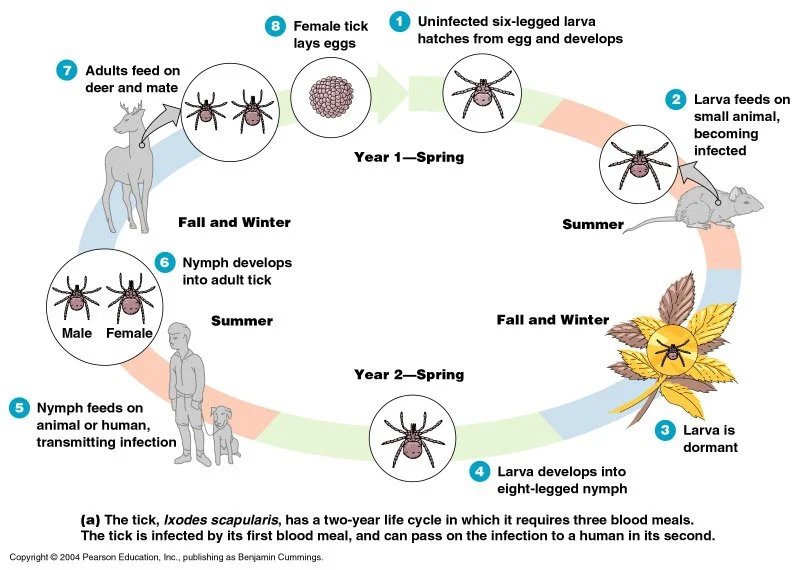
Deer are primary hosts for black-legged ticks (deer ticks), which spread Lyme disease and other illnesses like Babesiosis, Anaplasmosis, and Powassan virus.
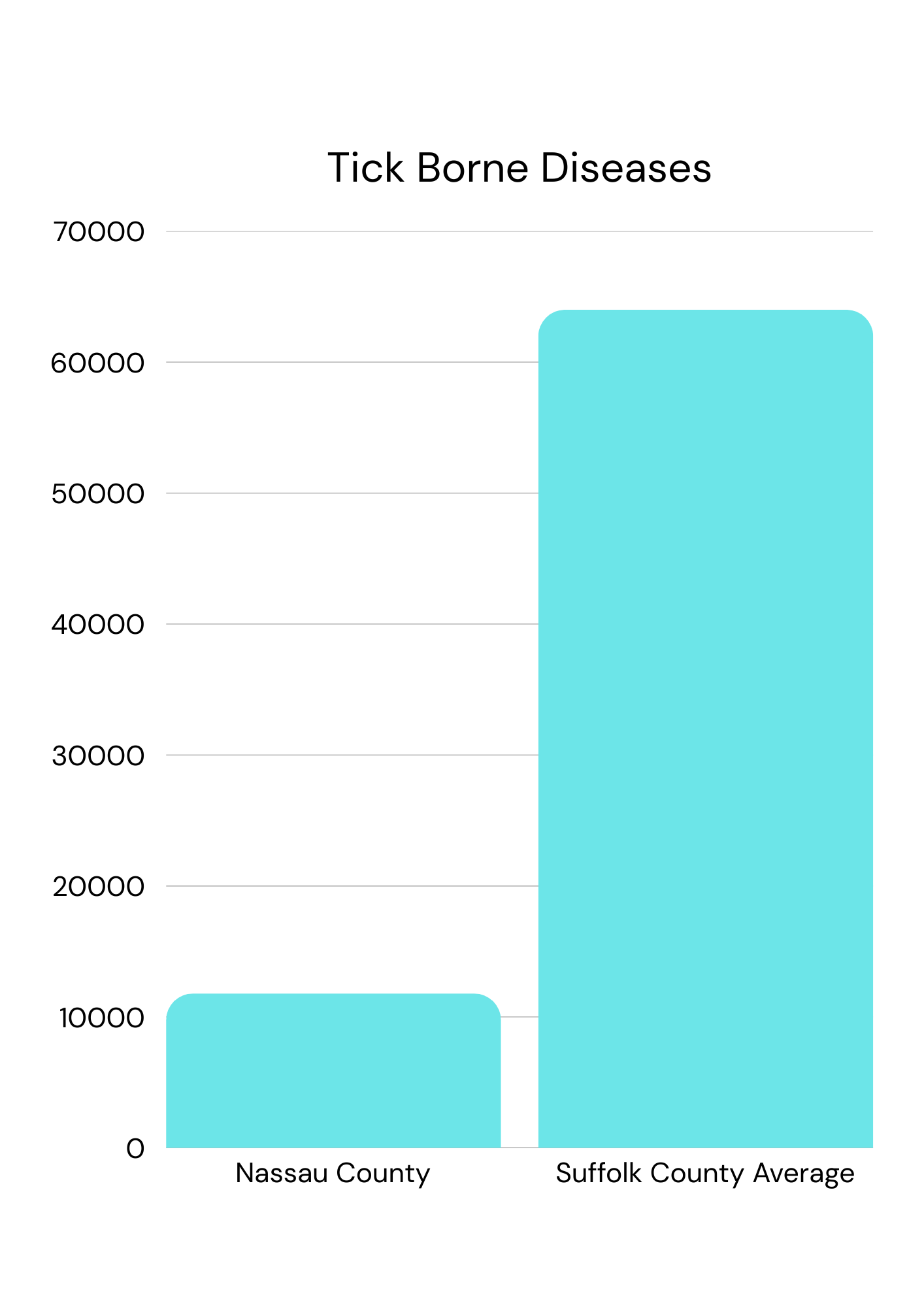
- Long Island is one of the nation's epicenters for Lyme disease, with high infection rates in ticks (up to 50-70% in some areas, and studies estimating over 50% carrying the bacteria).
- Suffolk and Nassau Counties consistently report hundreds of confirmed cases annually, contributing to New York's status as a high-incidence state.
- Overabundant deer amplify tick populations, increasing the risk of debilitating illnesses that can lead to long-term health issues if left untreated.
Reducing deer numbers is a proven way to lower tick density and disease transmission.
Road Safety: Deer-Vehicle Collisions
Deer roaming into roadways pose a major hazard, especially during fall and winter.
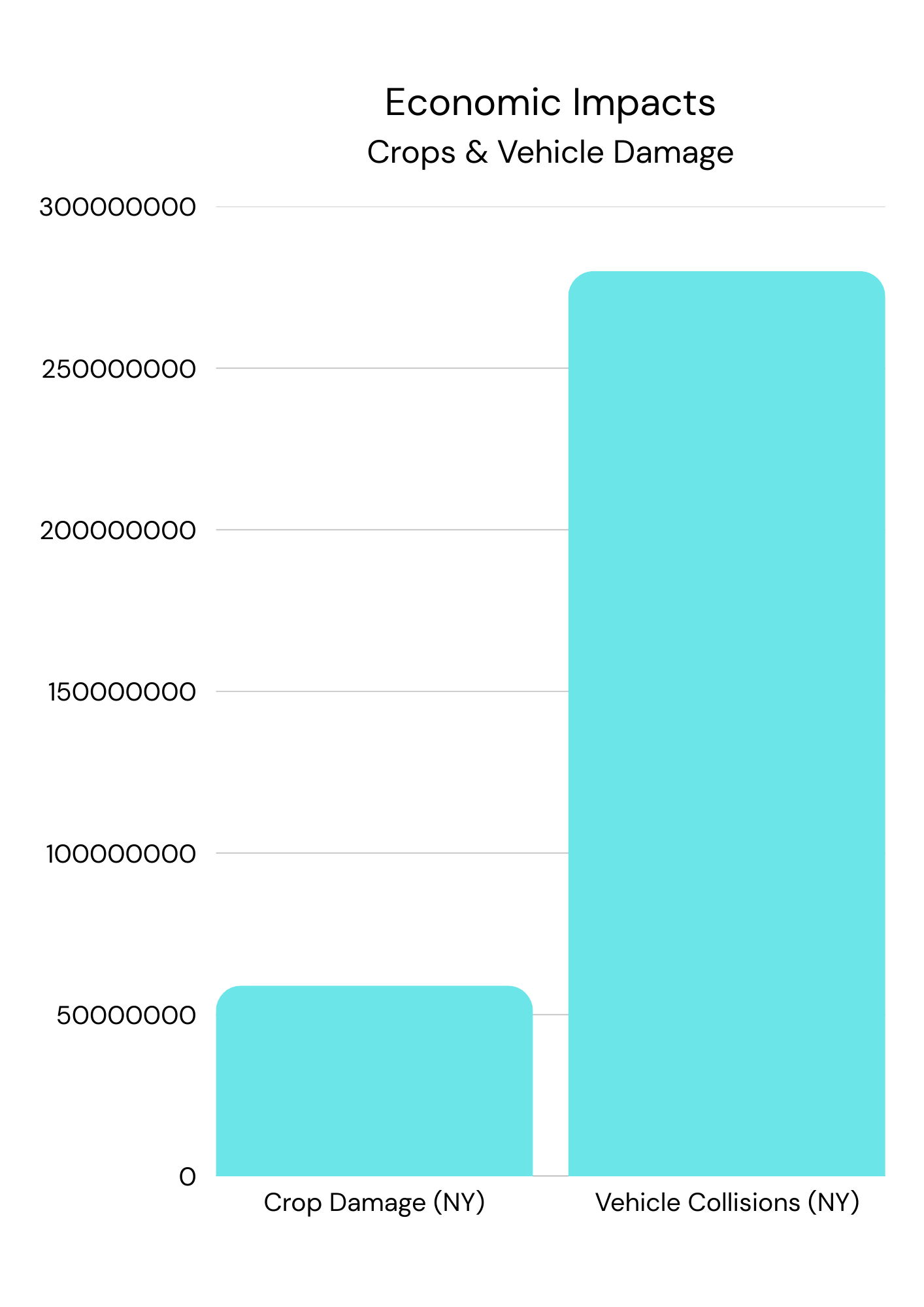
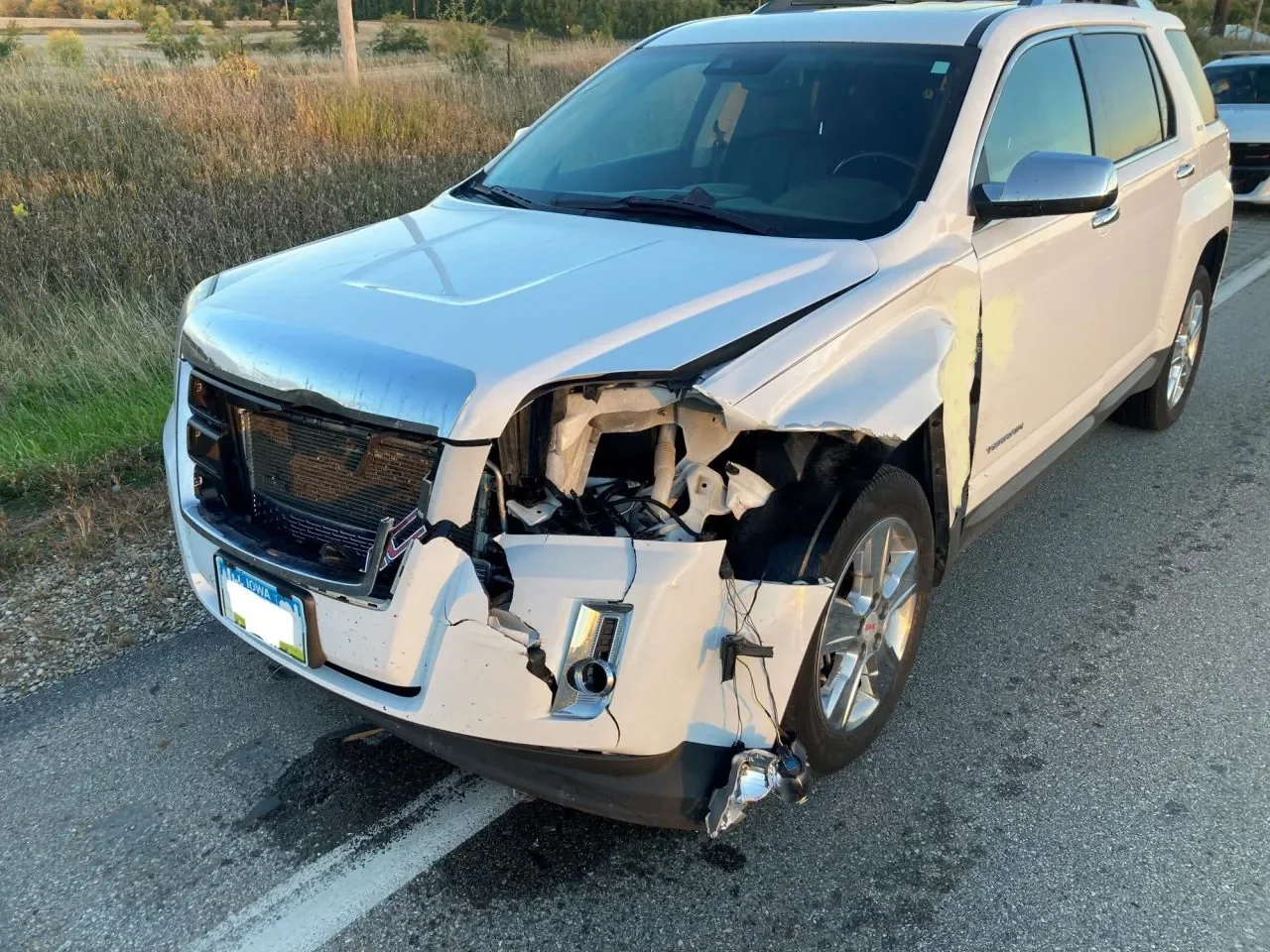
- New York State sees approximately 60,000-70,000 deer-vehicle collisions annually, with Suffolk County ranking among the highest (over 1,400 animal-related crashes in recent years).
- These accidents cause injuries, fatalities, and significant vehicle damage (average cost ~$4,000 per incident nationally).
- On Long Island, collisions are frequent on roads like the Long Island Expressway and local routes, endangering drivers, passengers, and the deer themselves.
Targeted population control helps reduce these preventable risks.
Property and Landscape Damage
Homeowners bear the brunt of constant browsing by deer.
- Deer devour gardens, shrubs, ornamentals, and trees, causing thousands in damage per property annually.
- In residential areas, overpopulation leads to destroyed landscaping and increased nuisance issues.
Agricultural and Economic Losses
Farmers on the East End and across Long Island face severe impacts.
- Deer cause millions in annual crop damage statewide (estimated $59 million), forcing expensive fencing and deterrents.
- Orchards, vineyards, and fields suffer heavy losses, threatening local agriculture.
Ecological Harm: Damage to Forests and Biodiversity
Over browsing by too many deer devastates native ecosystems.
- Deer strip forests of understory vegetation, saplings, and native plants, preventing forest regeneration and reducing biodiversity.
- This cascades to fewer habitats for songbirds, insects, and other wildlife.
- Sensitive species (like certain herbs and flowers) face local extinction risks, altering Long Island's natural balance.
Why Private Professional Management is More Effective Than Government Culls
Government-led culls (e.g., in parks or pilot programs) are limited in scope, often controversial, and insufficient for widespread suburban areas. They may reduce numbers temporarily but don't address private properties where much of the overpopulation thrives.
Our free suburban deer management program offers a targeted, year-round solution:
- Discreet archery hunting on your property, focusing on antlerless deer for long-term control.
- No cost, no disruption, and direct benefits to your yard and neighborhood.
- Proven to sustainably lower local populations, reducing all these harms more effectively than broad government efforts.
Protect your family, property, and community—contact us today for a consultation.
Long Island Wildlife Control: Restoring balance, one property at a time.